April 30, 2026
Choosing between a harness and a collar is not a matter of declaring one universally superior. The safer and more useful option depends on the dog's body, health, behavior, training history, walking environment, and comfort with the equipment. Many dogs wear a collar for identification while using a harness for leash attachment. A local pet supply store can help owners compare designs and measurements, but the final choice should be based on fit and function rather than appearance alone.
Understand the Different Jobs Each Option Performs
A standard collar rests around the neck and provides a convenient place for identification and license tags. It is lightweight, easy to put on, and familiar to many dogs. When used as a leash attachment, however, any pulling or sudden stop directs force toward the neck. The risk and degree of discomfort depend on the dog, collar, fit, leash handling, and intensity of the movement.
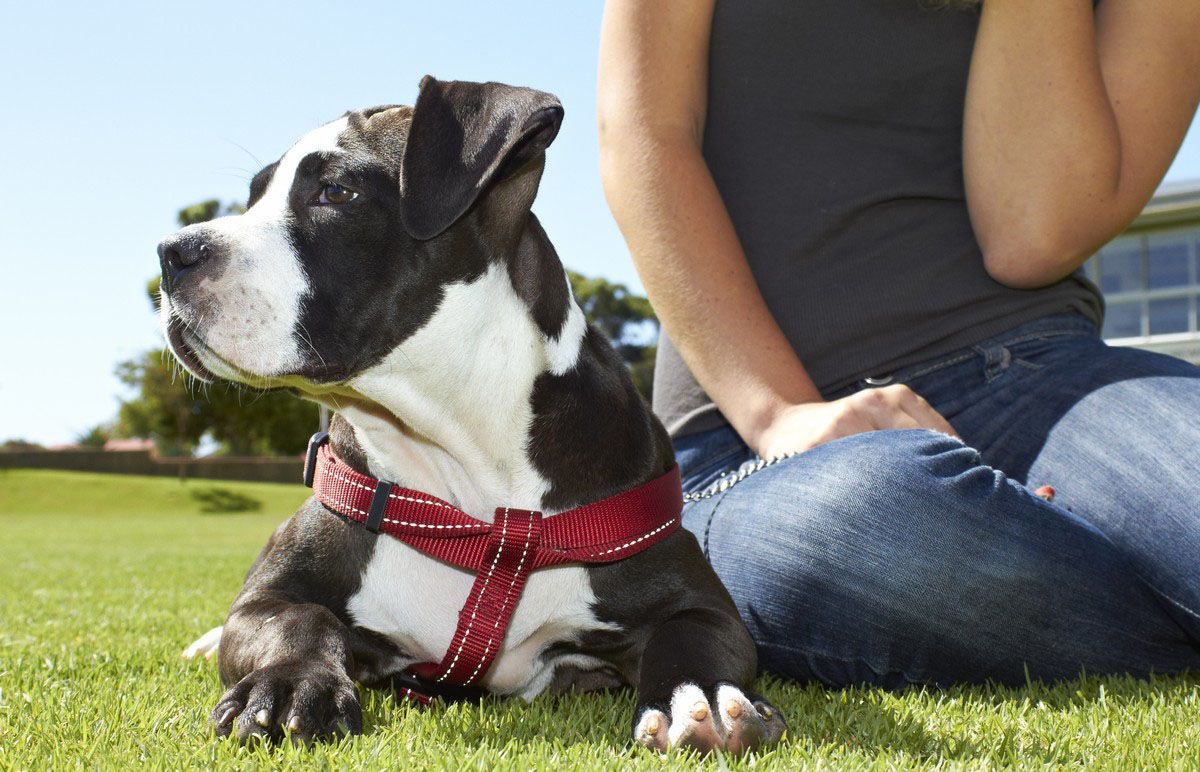
A harness wraps around part of the chest and torso, distributing leash pressure across a broader area. Designs may include front, back, or multiple attachment points. This distribution can be helpful for dogs that pull, dart suddenly, have delicate neck structures, or need additional body control. A harness can still cause rubbing, restrict movement, or permit escape when it is poorly designed or incorrectly fitted.
Neither tool teaches loose-leash walking by itself. A front attachment may make pulling easier to redirect, but the dog still needs reinforcement for staying near the handler and responding to cues. A collar can provide a simple connection for a dog that already walks calmly, yet jerking or repeatedly tightening the leash can undermine comfort and training. Equipment should support instruction rather than replace it.
Consider When a Harness May Be Helpful
A harness may be appropriate for dogs that lunge, pull forcefully, reverse out of collars, or need additional support during walks. Because pressure is distributed around the body, it avoids concentrating all leash force at the front of the neck. This does not make every harness harmless. Narrow straps, rough seams, poor adjustment, or repeated pressure near the shoulders and armpits can cause irritation or alter movement.
Front-clip harnesses attach near the chest and can turn the dog slightly toward the handler when the leash becomes tight. This may help interrupt forward pulling, but it should be used with gentle leash handling. A poorly fitted front strap can shift across the shoulders or legs. Dual-clip designs offer both front and back options and may allow a double-ended leash when the manufacturer supports that configuration.
Escape resistance deserves attention for fearful or unusually flexible dogs. Some harnesses include an additional strap behind the rib cage, but even escape-oriented equipment must be sized and adjusted correctly. A backup connection between the harness and collar may provide added security during training or in unfamiliar environments. Owners should confirm that any connector does not tangle or tighten dangerously.
Recognize When a Collar May Work Well
A flat collar can be practical for identification and for dogs that walk without applying sustained tension. It is less bulky than most harnesses and can be put on quickly. Collars are available in adjustable buckle, snap, martingale, and other configurations. Each serves a different purpose, so owners should understand how a design tightens and whether it is appropriate for unsupervised wear.
Owners should avoid attaching a leash to a collar when the dog coughs, gags, struggles to breathe, or shows pain under tension. Sudden behavioral changes may also signal discomfort or a medical issue. Moving temporarily to different equipment does not replace veterinary evaluation when symptoms persist.
Product labels and staff at a local pet supply store can explain intended use, but owners should be cautious with tools that rely on pain, sharp pressure, or unrestricted tightening. Training methods and equipment choices should protect welfare while helping the dog learn. A qualified, reward-based trainer can assist when pulling, lunging, fear, or reactivity makes walks difficult.
Measure and Check the Fit
Accurate measurements are more reliable than choosing solely by breed or weight. Dogs of the same breed can have different necks, chests, proportions, coats, and movement. Owners should follow the manufacturer's measuring instructions because sizing points vary. A soft tape measure should lie close to the body without compressing the fur or skin.
A collar should be snug enough that it cannot slide over the head but loose enough for comfortable breathing and movement. The familiar “two-finger” check can be a starting point, but finger sizes and dog sizes differ. Owners should also test whether the collar can pass over the ears or widest portion of the head, especially with escape-prone dogs.
A harness should remain stable without pinching. Straps should not cut into the armpits, cross vulnerable throat areas, or interfere with normal shoulder extension. Owners can watch the dog walk, turn, sit, and lie down while wearing it. Twisting, gapping, rubbing, shortened strides, reluctance to move, or attempts to bite the equipment can indicate a poor fit or design mismatch.
Fit requires repeated checks. Puppies grow, adult dogs gain or lose weight, and coats change with grooming or seasons. Webbing may loosen with use, and wet or damaged material can behave differently. Staff at a local pet supply store may help with an initial fitting, but owners remain responsible for checking adjustment before every walk.
Match the Equipment to the Walk
Households with several pets may need different equipment for each animal. According to Forbes, 35% of Americans have more than one pet, meaning over one-third of the population manages a multi-pet household. Dogs walking together may differ in size, pace, training, and reactivity. Matching gear individually is more effective than buying identical products merely for convenience.
Multiple-dog walks should begin only after each dog can be handled safely. Couplers can reduce the number of leashes in the handler's hands, but they also connect the dogs' movements and may complicate tangles or size differences. Separate leashes often provide clearer control during training. A local pet supply store can explain available connectors, although owners should practice in a quiet area before relying on them near traffic.
Pair Equipment With Patient Training
Loose-leash walking begins by rewarding the dog for remaining near the handler while the leash is slack. Direction changes, pauses, and reinforcement can teach the dog that pulling does not produce faster forward movement. Training should start in a low-distraction setting before progressing to busier locations. Short, successful sessions are often more productive than long walks filled with repeated tension.
The selected tool should be inspected regularly and replaced when straps fray, buckles crack, rings deform, or adjustment points slip. Owners can bring the dog's measurements and current equipment to a local pet supply store when comparing replacements. Retaining identification on a secure, comfortable collar remains important even when the leash attaches to a harness.
Owners do not need to remain committed to one setup forever. Training progress, aging, medical changes, activities, and seasonal coat differences may call for adjustments. Advice from a veterinarian or qualified trainer can address health and behavior, while a knowledgeable local pet supply store can help compare practical product features. Combining suitable equipment with patient training creates a safer and more comfortable foundation for everyday walks. If you're looking for a local pet supply store to provide what you need, turn to Puppyworld!